Description
Parota wood (Enterolobium cyclocarpum), also known as Guanacaste or Mexican walnut, is a tropical hardwood native to Mexico and Central and South America. It is highly valued for its striking appearance, with a distinctive two-toned look and unique grain patterns. Parota is often used for large, statement-making furniture pieces like dining tables, headboards, and side tables.
Characteristics
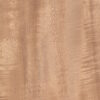
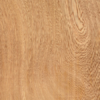
Color: The heartwood is typically a light to medium golden-brown, sometimes with reddish tones or darker streaks. The sapwood is a pale yellow, providing a strong color contrast that is a hallmark of the wood, especially in live-edge slab furniture.
Grain: The grain can range from straight to interlocked or wavy. The texture is coarse, and the wood often has a moderate natural luster.
Density and Weight: Parota is considered a medium-density hardwood, but it is lighter in weight compared to many other hardwoods. This makes it a popular choice for large pieces where weight is a consideration.
Durability: The wood is rated as durable to very durable for rot resistance and has moderate resistance to termites and fungi. However, according to centrocarpinteropv.com, it can still be susceptible to subterranean termites.
Workability: Parota is generally easy to work with hand and machine tools, but the coarse and interlocked grain can cause tearout and “fuzzy” surfaces during planing, especially on quartersawn pieces. It finishes and glues well.
Toxicity: The sawdust from parota contains tannins that can cause nasal congestion, eye irritation, or dermatitis in some individuals during sanding and cutting. Proper safety precautions, such as good ventilation and personal protective equipment, should be used when working with the unfinished wood.
Common uses
Large live-edge slabs: The massive size of the parota tree trunk makes it ideal for large, single-slab tabletops for dining tables, conference tables, and countertops.
Furniture: Its durability and visual appeal make it a popular choice for furniture, including chairs, beds, and cabinets.
Architectural millwork: Used for paneling, trim, and other interior decorative elements.
Boatbuilding: Its water resistance makes it suitable for some boatbuilding applications.