Description
Mashonaste wood (Clarisia racemosa), also known as Guariuba or Amarillo, is a versatile and high-quality tropical hardwood native to the Amazon basin, primarily in Peru, Brazil, and Colombia. It is highly valued for its striking transition from a vivid yellow when freshly cut to a deep, lustrous golden-brown upon exposure to light. In 2026, it is recognized as an important “lesser-used species” (LUS) that offers an eco-friendly and durable alternative to more endangered primary tropical timbers.
Characteristics
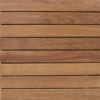
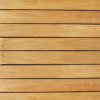
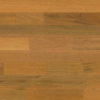
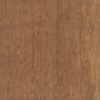
Color: The heartwood is intensely yellow when fresh, often likened to the color of an egg yolk. Over time and with exposure to UV light, it matures into a rich reddish-yellow or warm golden-brown. The sapwood is clearly demarcated, appearing as a pale yellowish-white.
Grain: The grain is typically straight but can be interlocked or “roey,” which produces an attractive ribbon-like figure on quartersawn surfaces. It has a medium to fine texture and a moderate to high natural luster.
Density and Weight: Mashonaste is a semi-heavy to heavy hardwood. Its air-dry density is approximately 0.69 g/cm³ (43 lbs/ft³), and it has a Janka hardness rating of roughly 1,400 lbf. This puts its hardness slightly above White Oak, making it resistant to dents and high-impact wear.
Durability: It is rated as very durable with excellent natural resistance to rot, decay, and dry-wood borers. It is particularly noted for its high resistance to termites and wood-rotting fungi, often requiring no additional chemical preservation for many applications.
Workability: While generally good to work with, Mashonaste contains small amounts of silica (0.2% to 1%), which can have a moderate to high blunting effect on cutting tools. It is advisable to use carbide-tipped tools and to saw the wood while still fresh. It holds nails and screws well, glues correctly, and is capable of achieving a very fine finish.
Toxicity: Mashonaste lacks a distinctive odor or taste. There are no specific reports of high toxicity, but as with all tropical hardwoods, the fine dust from machining can be a respiratory irritant, necessitating the use of proper dust extraction and masks.
Common Uses
Structural Construction: Its strength and rot resistance make it ideal for heavy-duty structural elements such as beams, columns, joists, and trusses.
Flooring and Decking: Used extensively for interior tongue-and-groove parquet and exterior decking due to its durability and attractive color.
Carpentry and Furniture: A popular choice for high-class furniture, stairs, and cabinetry where its golden-brown luster can be showcased.
Marine and Industrial: Frequently employed in naval construction (canoes, boat parts), railway sleepers, and bridge components because it can withstand immersion in water without rotting quickly.