Description
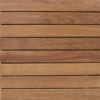
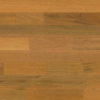
Garapa wood (Apuleia leiocarpa), also known as Brazilian Ash or Grapia, is a high-density tropical hardwood native to South America, primarily Brazil. It is highly sought after for its distinctive light-golden to lemon-yellow hue, which provides a brighter alternative to the darker reddish-brown tones typical of most tropical hardwoods. Garapa is widely favored for its balance of high durability and relative affordability compared to premium species like Ipe or Cumaru.
Characteristics
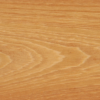
Color: The heartwood is characteristically pale yellow to golden-brown, often darkening to a warm amber over time with sun exposure. Its light color makes it highly reflective, remaining cooler underfoot in direct sunlight than darker decking materials.
Grain: The grain is typically straight but can be interlocked or wavy. It has a fine to medium texture with a natural luster that gives the wood a vibrant, chatoyant appearance when finished.
Density and Weight: Garapa is a dense and heavy hardwood with a Janka hardness rating of approximately 1,650 lbf. While softer than Cumaru or Ipe, it is still roughly 30% harder than Red Oak, offering excellent resistance to scratches, dents, and heavy foot traffic.
Durability: It is rated as durable to very durable regarding rot and decay resistance. Garapa is naturally resistant to termites and fungi, though it is generally recommended for above-ground applications rather than direct ground contact to maximize its 25+ year lifespan.
Workability: Compared to denser hardwoods, Garapa is relatively easier to work with, though it still has a moderate blunting effect on cutting tools. Pre-drilling is required for fasteners. It glues and finishes well, though the use of high-quality oil-based sealers is recommended to preserve its yellow-gold color.
Toxicity: There are no major health risks associated with Garapa, but like most tropical woods, the fine dust produced during sanding can cause respiratory or skin irritation. Standard safety gear, including dust masks and eye protection, is advised during processing.
Common Uses
Exterior Decking: Due to its light color and heat-resistance, it is a premier choice for residential decks, docks, and rooftop patios in warm climates.
Siding and Cladding: Its attractive golden tone and weather resistance make it a popular choice for modern architectural rainscreen systems and exterior wall cladding.
Outdoor Furniture: Used for high-quality patio furniture, benches, and tables that require a sleek, light-colored aesthetic.
Flooring: Frequently used for interior hardwood flooring in high-traffic areas where a bright, durable, and scratch-resistant surface is desired.