Description
Spanish cedar (Cedrela odorata), also known as cedro, is a tropical hardwood native to the Americas, including Mexico, Central America, the Caribbean, and South America. Despite its name, Spanish cedar is not a true cedar, but rather is related to mahogany. It is highly prized for its fragrant aroma, durability, and resistance to pests.
Characteristics
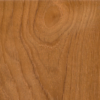
Color: The heartwood is a light pinkish to reddish-brown that darkens with age. The sapwood is a paler, yellowish-white.
Grain: The grain can be straight, wavy, or interlocked, and the wood has a medium texture and a natural luster.
Aroma: Spanish cedar has a distinct, lingering, cedar-like scent due to its natural oils. This aroma is prized for its ability to complement and enhance the flavor of cigars during storage.
Durability: The wood is naturally resistant to rot, termites, and insects. This is one of the reasons it is used for outdoor applications and chests for storing clothing.
Workability: Spanish cedar is relatively soft and easy to work with both hand and machine tools. However, its softness can cause “fuzziness” on the surface during machining, and its natural oils and gums can clog blades and interfere with finishing.
Hardness: With a Janka hardness rating of 600 lbf, it is softer than many other hardwoods.
Toxicity: The sawdust can be a respiratory irritant and has been reported to cause eye irritation and dermatitis in some people. It is important to use good ventilation and personal protective equipment when working with it.
Common uses
Spanish cedar’s unique properties make it a popular choice for a variety of applications.
Cigar boxes and humidors: This is perhaps the most famous use for Spanish cedar. The wood’s ability to regulate humidity and its insect-repelling properties make it ideal for storing cigars.
Outdoor millwork: Its rot and insect resistance make it suitable for exterior siding, windows, and doors.
Furniture and cabinetry: Its beautiful color and grain make it an attractive wood for fine furniture and veneers.
Musical instruments: Spanish cedar is used for the necks of some classical and flamenco guitars.
Closet and chest linings: The fragrant, insect-repelling properties make it a popular choice for lining closets and chests.
Boatbuilding: Its lightweight nature and decay resistance make it suitable for some parts of boats, especially racing boats.